Sport Training for Every Day is an educational website about a systematic approach to physical activity. The materials are focused on regular training without reference to professional sports. The main focus is on exercise technique, load planning, and understanding physiological processes.
Regular exercise reduces the risk of cardiovascular disease, helps control body weight and maintains blood glucose levels. According to the WHO, adults are recommended to get at least 150–300 minutes of moderate aerobic exercise per week or 75–150 minutes of vigorous exercise. Adding strength training twice a week helps maintain muscle mass and bone density.
Daily physical activity improves cardiovascular function. Regular exercise reduces resting heart rate, increases endurance and improves blood circulation. Walking, light running, and basic bodyweight exercises are suitable for beginners. Advanced programmes include interval training, free weights, and functional training.
A separate section of the site is dedicated to recovery. Seven to nine hours of sleep, moderate stretching, and intensity control reduce the risk of overtraining. The basics of nutrition are also covered: the balance of proteins, fats, and carbohydrates, adequate water consumption, and the role of micronutrients.
The website features:
- basic programmes for beginners
- weekly and monthly training plans
- analysis of exercise techniques
- recommendations for injury prevention
- materials on sports physiology
The materials are structured according to fitness level and goals: weight loss, muscle gain, endurance improvement, and overall health improvement. Separate articles are devoted to home workouts without equipment and gym programmes.
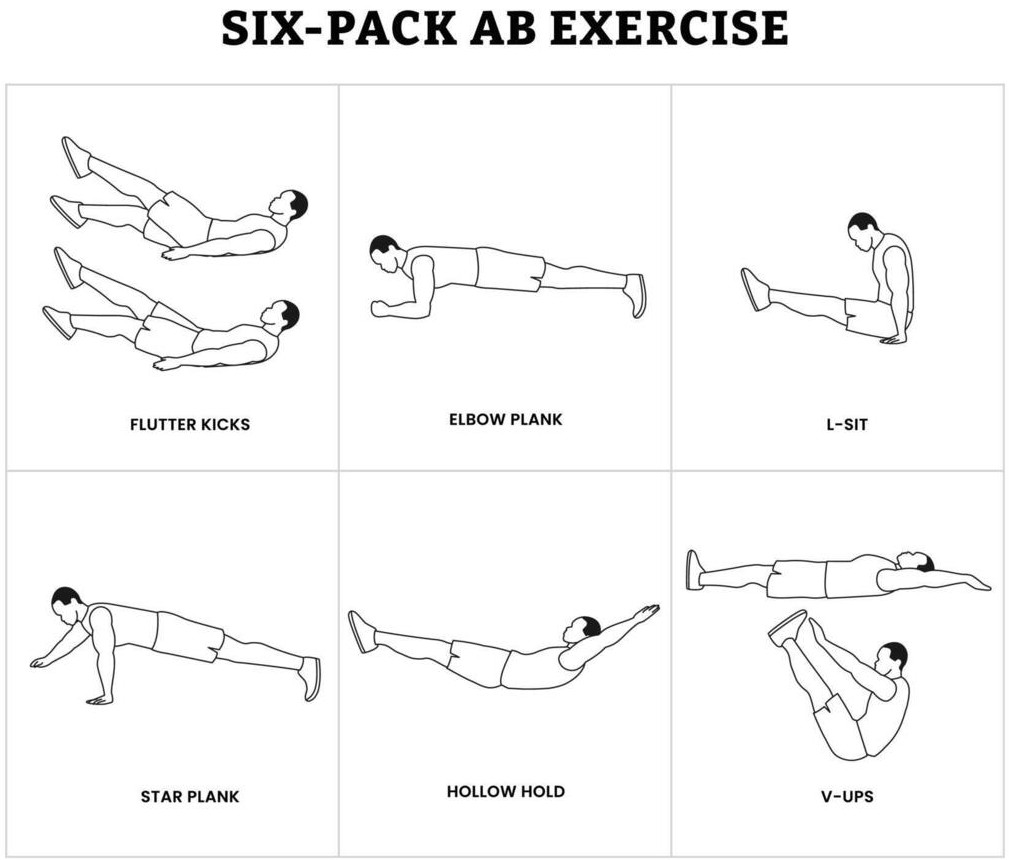
Sport Training for Every Day helps you understand how to build a stable training system, monitor your progress, and adapt your workload to your age and fitness level.
Sport in popular culture
Sport occupies a prominent place in popular culture: according to international federations, hundreds of millions of people regularly engage in physical activity, and major competitions attract a global audience. The World Cup finals are watched by over 1 billion viewers, the Olympic Games bring together over 200 countries, and national leagues and tournaments take place all year round. Professional athletes become media personalities, and sporting events influence the economy, advertising and digital platforms, generating sustained interest in competitions at all levels, from amateur events to world championships.
Sport as an economic driver
Sport is a significant sector of the global economy, bringing together professional leagues, infrastructure, media, equipment manufacturing and tourism. Major international tournaments attract investment in stadium construction, transport and the hotel industry, create jobs and stimulate small businesses. Television rights and digital broadcasts bring leagues and federations billions of dollars annually, while global sportswear and equipment brands form stable markets. Additional contributions come from the fitness industry, sports schools and mass events, which support local economies and generate long-term consumer demand.
Sport directly influences the development of the betting market, as competitions create a regular and predictable flow of events with measurable results. The more tournaments and leagues are held throughout the year, the wider the betting line and the higher the frequency of user activity. Football, tennis, basketball and e-sports provide a year-round calendar of matches, which generates stable turnover for the industry.
The gambling component is linked to the uncertainty of the outcome. Even with statistical analysis, the result of a match is not guaranteed, which maintains the audience’s interest. Dynamic formats — live betting, additional markets (totals, handicaps, individual player statistics) — increase engagement during broadcasts. This increases the time users interact with platforms and expands monetisation through odds, commission margins and affiliate programmes.
Major international tournaments further stimulate the market: during world and continental championships, betting volumes increase significantly compared to the regular season. Thus, sporting events serve as the infrastructure base for betting, and the competitive and emotional nature of sport sustains steady demand for predicting results.